


A Simple Formula for Affordable, Lightweight Alpine Dinners
Deciding what food to pack for an alpine mission has taken up far more brain space than I'd care to admit. Despite having spent hundreds of days in a tent, I still eye up the fancy freeze-dried meals frequently, before checking the price tag and walking away to buy couscous and tuna, again.
I've also seriously miscalculated the amount of calories I packed for a trip once. Spending the following week feeling completely wrecked was enough to convince me never to make that mistake twice.
As a result, I use a simple framework that makes meal planning quick, cheap and reliable. It isn't revolutionary or fancy, but it consistently gives me lightweight meals with enough energy to keep going day after day.
What I'm Looking For
Well-rounded nutrition
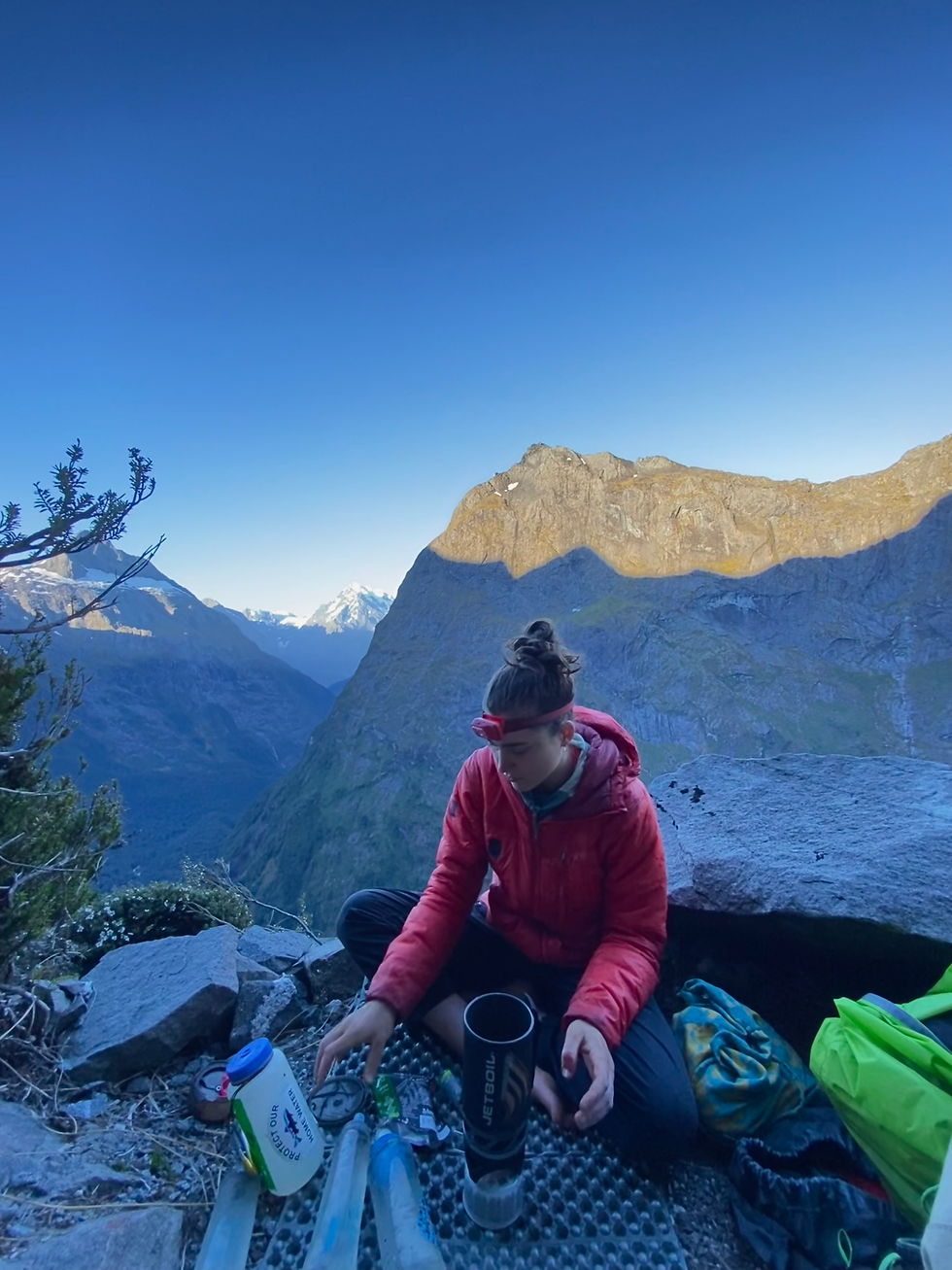
The goal is a balance of carbohydrates, protein and fats.
Carbohydrates make up the base of every meal since they are the best source of energy that we have. Protein helps with recovery, while fats provide a good amount of calories for very little weight. If I'm heading out for more than a couple of days, I'll also try to sneak in some fresh veg for the first day or two or dehydrated vegetables for a few extra micronutrients.
Plenty of calories
After one spectacular calorie-planning failure, I will now always make sure that I’ve got a few ways to add in a load of calories if need be. A small Nalgene (60ml+ depending on trip length) filled with olive oil is one of the easiest ways to add several hundred calories without adding much weight. Nuts, dried fruit, chocolate and powdered peanut butter are also excellent calorie boosters.
Shelf stable
Unless the first day is short, I try to avoid anything that needs refrigeration. Everything should survive being stuffed and squished.
Lightweight and simple
No liquids, minimal packaging and as little cooking as possible.
Whenever possible, I'll pre-mix as much of the meal into a single ziplock bag before leaving home. It saves time, reduces rubbish and makes cooking at the end of a long day uncomplicated.
The Formula

Every dinner now follows the same basic structure:
A carbohydrate base
Proteins and fats
Vegetables and flavour
Carbohydrate Bases
These make up the bulk of most meals.
Cous cous
Instant ramen or noodles
Pasta
Instant mashed potato
Wraps or naan
Protein
Tuna sachets
Jerky
Salami or other cured meats
Textured vegetable protein (TVP)

Fats
Nuts
Fish in olive oil
Cheese
Butter (if it's cold enough)
Olive oil
Flavours
Soup packets
Mexican seasoning
Powdered pasta sauce
Gravy powder
Fried shallots
Sun-dried tomatoes (dry-packed)
Vegetables

Australia and NZ supermarkets often sell surprisingly affordable dehydrated vegetable mixes nowadays. The Fine Fettle mixes are a favourite. Otherwise, dried peas and mushrooms are usually easy to find.
If I want fresh vegetables for the first night, I've found these survive being in a pack reasonably well:
Carrots
Zucchini
Green beans
Avocado
Four Dinners That Stay on Rotation

1. Cous Cous
Ingredients
Cous cous
Tuna or salami
Soup packet
Dehydrated vegetables
Cheese
Peanuts or cashews
Fried shallots
Before the trip I'll combine the cous cous, soup mix and vegetables into one ziplock bag.
At camp, add boiling water, let it sit for a few minutes, then stir through the tuna, cheese and peanuts.
Optional extras
Olive oil
Butter
2. Ramen
Ingredients
Instant ramen
Jerky, salami or tuna
Dehydrated vegetables
Cheese
Nuts
Fried shallots
Olive oil
3. Pasta
Powdered pasta sauce is awesome if you can find it, although it's much easier to buy in North America than Australia or New Zealand.
A substitute is tomato paste in a tube or sachet-but don't forget to pack some herbs for some sanity.
Add-ins
TVP, salami or jerky
Cheese
Dehydrated vegetables
Olive oil
Italian herbs are a must if using tomato paste
Chilli flakes and garlic powder
4. Burritos
Probably the heaviest dinner on this list but by far the yummiest.
Ingredients
Wraps
TVP
Mexican seasoning
Dehydrated vegetables
Cheese
Fried shallots
Avocado
Carrots/ capsicum
Make sure to mix the Mexican seasoning into the dry TVP before adding water. Otherwise the TVP tends to absorb the water first and ends up tasting like dog food.

Sides
I almost always carry miso sachets or instant soup.
They help with rehydration and give you patience while dinner is cooking.
For extra carbohydrates, instant mashed potato is another easy addition. Mix in a soup sachet or a little gravy powder.
End Note
The biggest benefit of this approach isn't that the meals are particularly fancy- they definitely aren't.
It's that meal planning becomes simple. Instead of trying to invent four or five different meals, I just work through the formula: choose a carb, add protein, include some fat, throw in vegetables and season it well. The ingredients overlap between meals, so buying food is cheaper, there's less waste, and most of it can be found in a normal supermarket.
For me, it's struck the sweet spot between cost, weight, nutrition and simplicity.


Comments